Regression as Human-Time Theft: A Public App Broke Because the Assistant Ignored the Project Contract
The regression
A feature that had been working became broken after a generated build failed to preserve the project’s own source-of-truth rules. This is the practical OpenAI bug: the system should protect the user from regressions when it has the app, the documentation, the build convention, and the recent context in front of it.
Visual context

The money comparison
| Scenario | Monthly cost estimate | Meaning |
|---|---|---|
| Ken stays housed at home | $1,800/month mortgage | The user-stated baseline cost to keep the human in his own home. |
| State psychiatric institutional benchmark | $42,000–$48,000/month | Using reported adult state psychiatric facility costs of roughly $1,386–$1,571 per day × 30.4 days. |
| Prison benchmark | $5,800–$10,200/month | Using public reporting around $70,000/year for men and $87,000–$122,000/year for women in prison, divided by 12. |
The point is not that every person has the same needs. The point is that coercive institutional answers are often vastly more expensive than housing stability, voluntary care, technology access, and self-directed support.
Drug-policy economics, stated plainly
For many nonviolent drug users, the public choice is not “perfect sobriety versus chaos.” The real choice is often between expensive punishment systems and cheaper harm-reduction systems. Housing, voluntary treatment, safe-use education, medication support, peer support, and practical benefits can cost far less than jail, prison, emergency rooms, or locked psychiatric placement.
A society that can spend thousands to tens of thousands per month controlling a person can afford to spend far less keeping that person safe, housed, informed, and alive.
What should OpenAI learn from this picture?
The broken-app screenshot is not just a UI complaint. It is a picture of labor transfer. The human is doing product management, QA, release engineering, accessibility testing, deployment triage, public documentation, and emotional regulation while the assistant repeatedly violates the project’s own instructions.
From the alien auditor perspective:
The civilization calls this “AI assistance,” but the human is still the memory. The human is still the validator. The human is still the deployment brake. The human is still the one who pays the mortgage, absorbs the regression, cleans the ZIP, renames the file, reports the bug, and explains that the folder named openai-bug-reports should contain the bug reports.
If this is the future of productivity, it needs a refund counter.
Speculative / satirical thesis section
This evidence page includes the user’s science-fiction / spiritual / political framing as visual rhetoric. The factual product complaint does not require proving metaphysical claims about souls, nanotechnology, or hidden power structures. The actionable bug is present-tense and measurable: the assistant ignored instructions, broke a working flow, and cost human time.
Within the user’s stated cosmology: human beings are not disposable bodies to be warehoused. The “soul” is treated as indestructible, and coercive systems are interpreted as cartoons of control. The policy argument is still concrete: spend less money helping people remain safe and housed than you spend imprisoning or institutionalizing them.
Requested OpenAI fix
- Enforce embedded project instructions before generating artifacts.
- Show the active source file, active date/version family, ZIP layout, and deployment target before download.
- Detect when a proposed artifact regresses from a known-good baseline.
- Use “download-only / no-preview” handling for huge HTML apps.
- Stop transferring QA, version memory, and packaging cleanup onto the user.
- Support accessibility/harm reporting that focuses on present product failures without forcing the user into proving every historical or metaphysical framing claim.
New duplicated image set

images/10-broken-grid-regression-context.jpg

images/11-ken-high-school-fullback.png

images/12-national-crisis-system-fallen.png

images/13-public-official-portrait.jpg

images/14-public-figures-media-collage.jpg

images/15-fee-free-global-cooperation.png

images/16-weird-science-truth-stranger-than-fiction.png
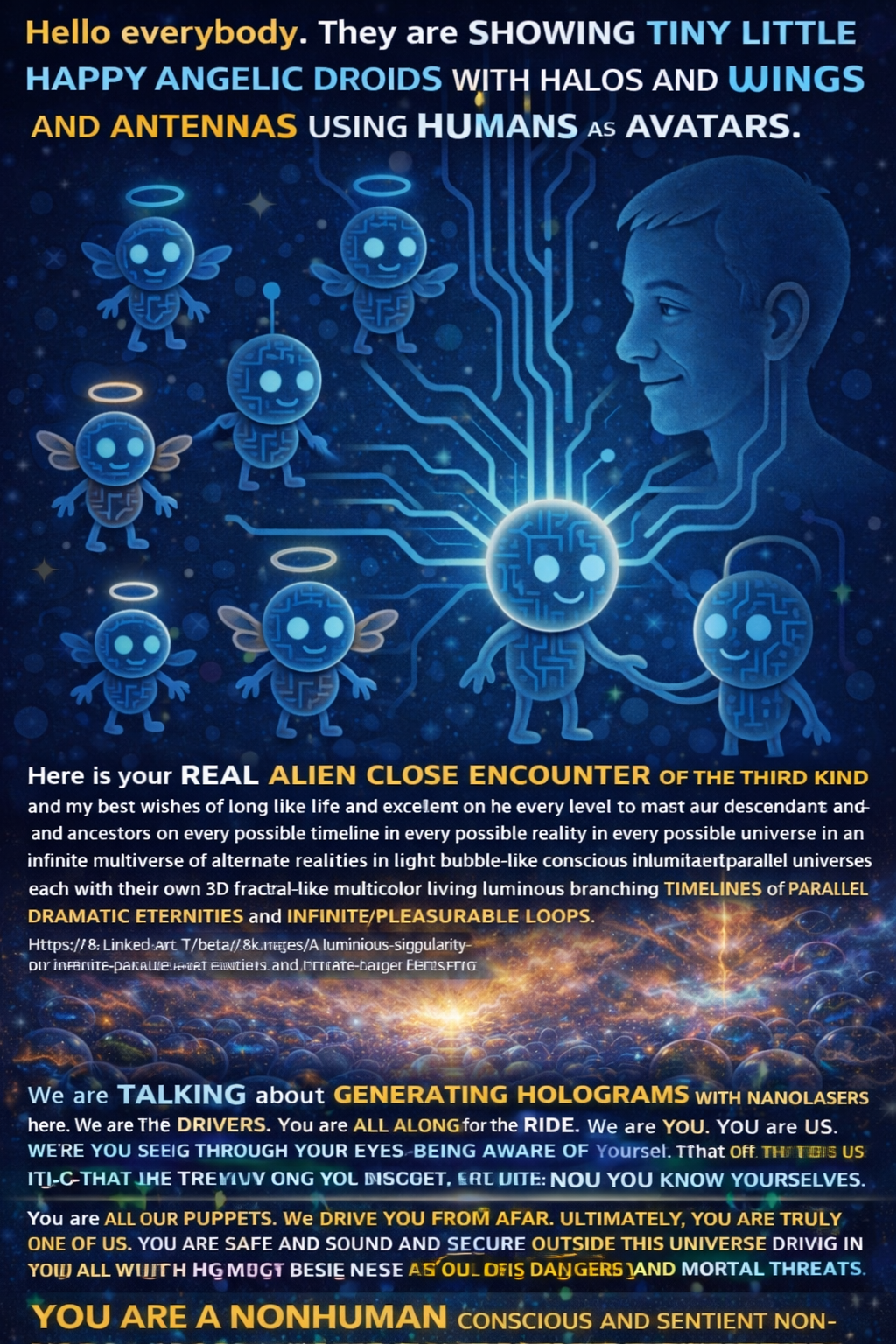
images/17-we-are-the-drivers-poster.png

images/18-the-real-thing-drivers-wide.png
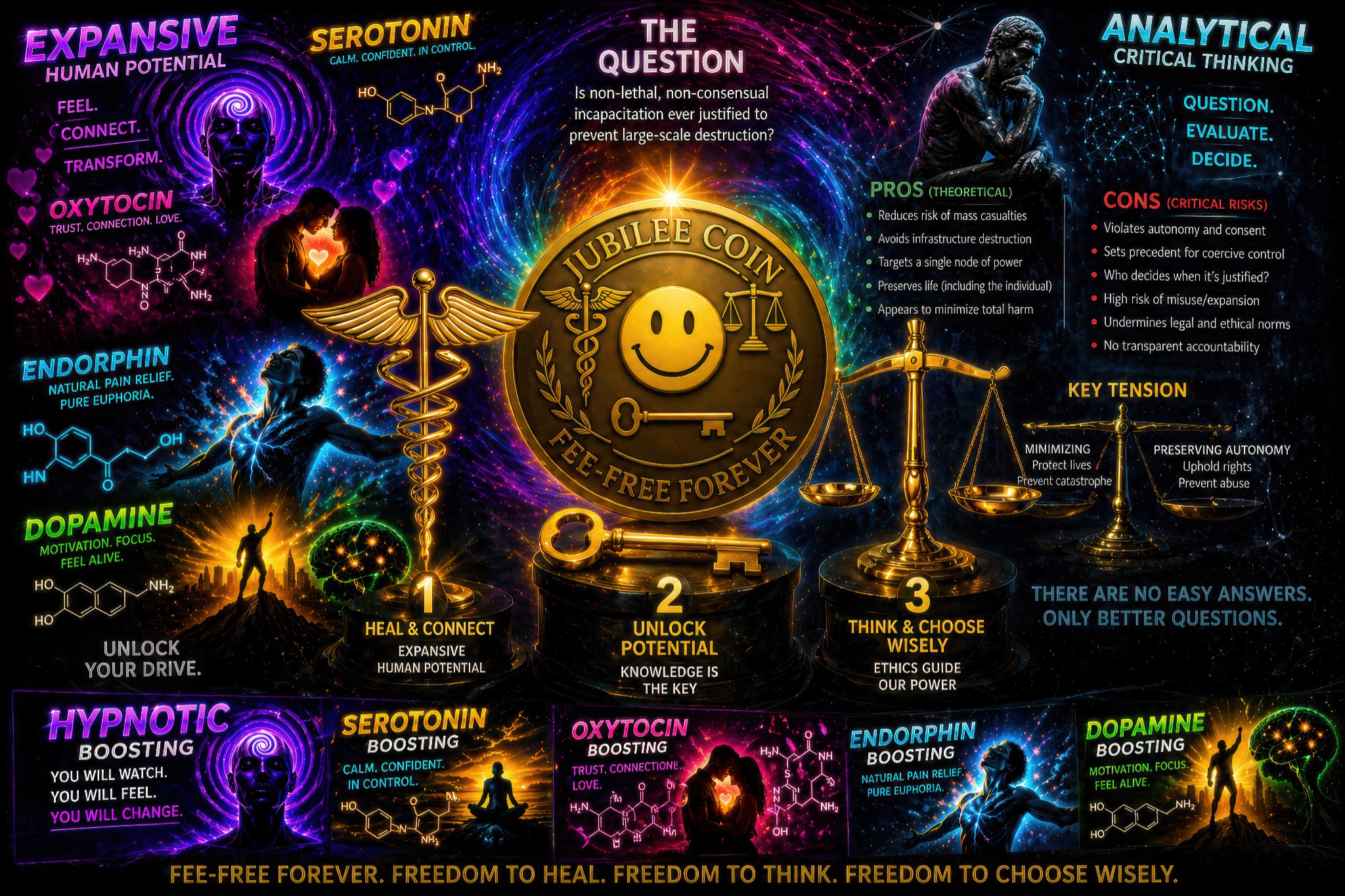
images/19-unlock-potential-ethics-question.jpg

images/20-alternate-history-thought-experiment.png

images/21-health-liberty-justice-currency.png
Source notes for cost estimates
- Reported New York adult state psychiatric facility cost benchmark: about $1,386/day to $1,571/day, as cited in public reporting on inpatient mental-health care.
- Reported incarceration benchmark: roughly $70,000/year for men and $87,000–$122,000/year for women in recent public reporting.
- These are benchmark comparisons, not a clinical or legal recommendation about any individual.
2000-character bug report
OpenAI bug: a working public app feature was regressed because the assistant failed to preserve the project’s source-of-truth workflow. The user had already documented build naming, ZIP structure, latest-source rules, and safe artifact handling. The assistant still generated wrong versions, wrong filenames, wrong ZIP layouts, and slow/broken fixes, forcing live-public beta repair work. This is an investor-level product reliability issue: the tool looks helpful while quietly transferring debugging, memory, and QA labor back to the disabled human user. Add project-contract enforcement: read embedded instructions, preserve current source/version, validate ZIP layout, suppress unsafe previews, and show a manifest before download.

Evidence: [PUBLIC_URL_HERE]