A Real Family Home, AI, Debt, Disability, Religion and a Humane Future
A true lived-life story offered as public-interest educational symbolism for scientists, diplomats, academics, journalists, religious scholars, disability advocates and humane technologists.
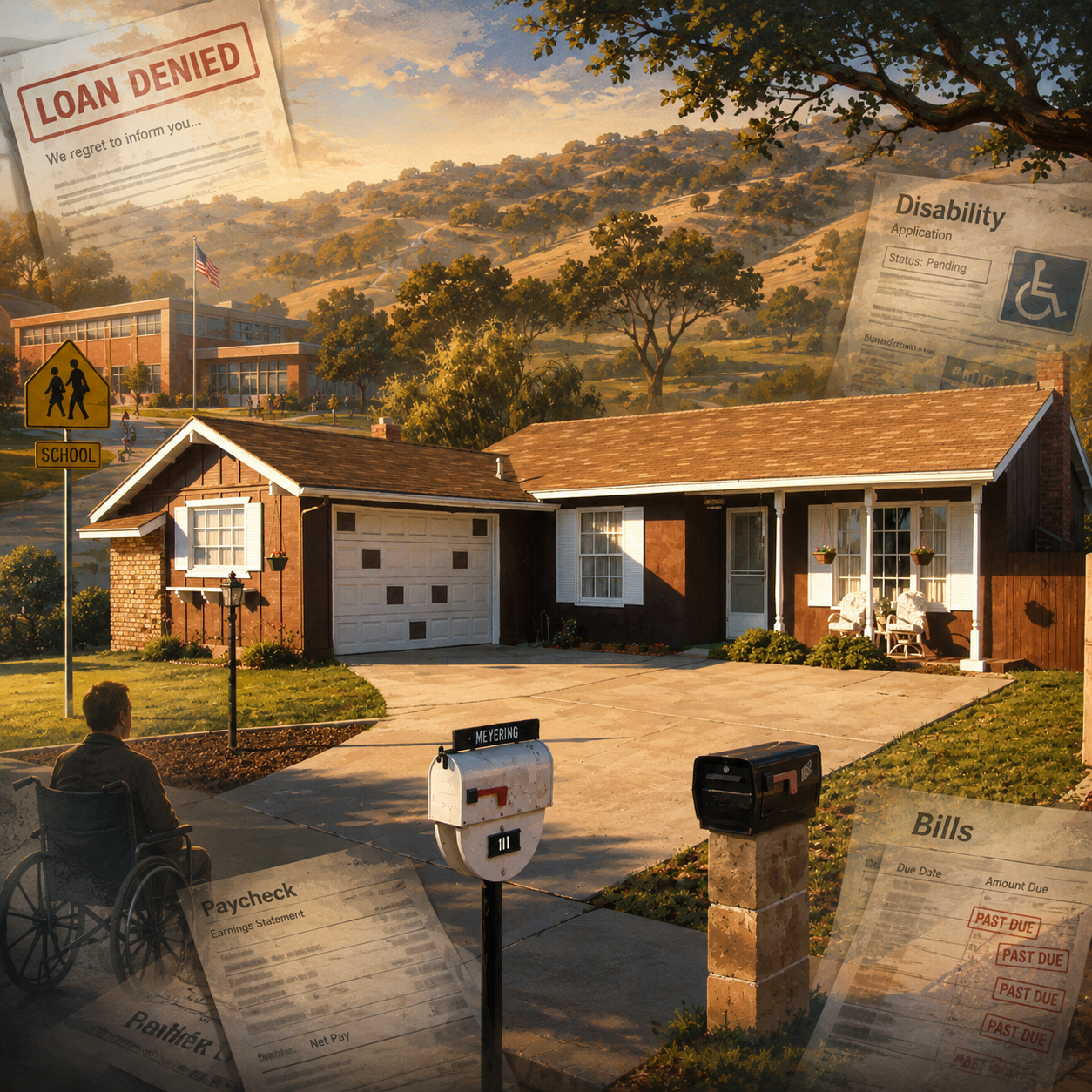
1. A small house, not a palace
This story begins with a small house, not a palace. It is the family home where I was born, where my father lived until his death, and where I still find safety, memory, routine, disability accommodation and emotional continuity. To a bank, investor, government, algorithm, inheritance lawyer or real estate market, a house may look like an asset. To a human being, it can be shelter, identity, nervous-system stability and the last line between survival and homelessness.
That difference matters. A civilization that cannot tell the difference between a home and a financial instrument is already morally confused.
My own life is usefully symbolic. I am not at the top of the pyramid. I am trying not to fall off the bottom. I am a disabled, debt-stressed, cash-poor, middle-class American living in family housing, trying to survive, care, write, build and contribute.
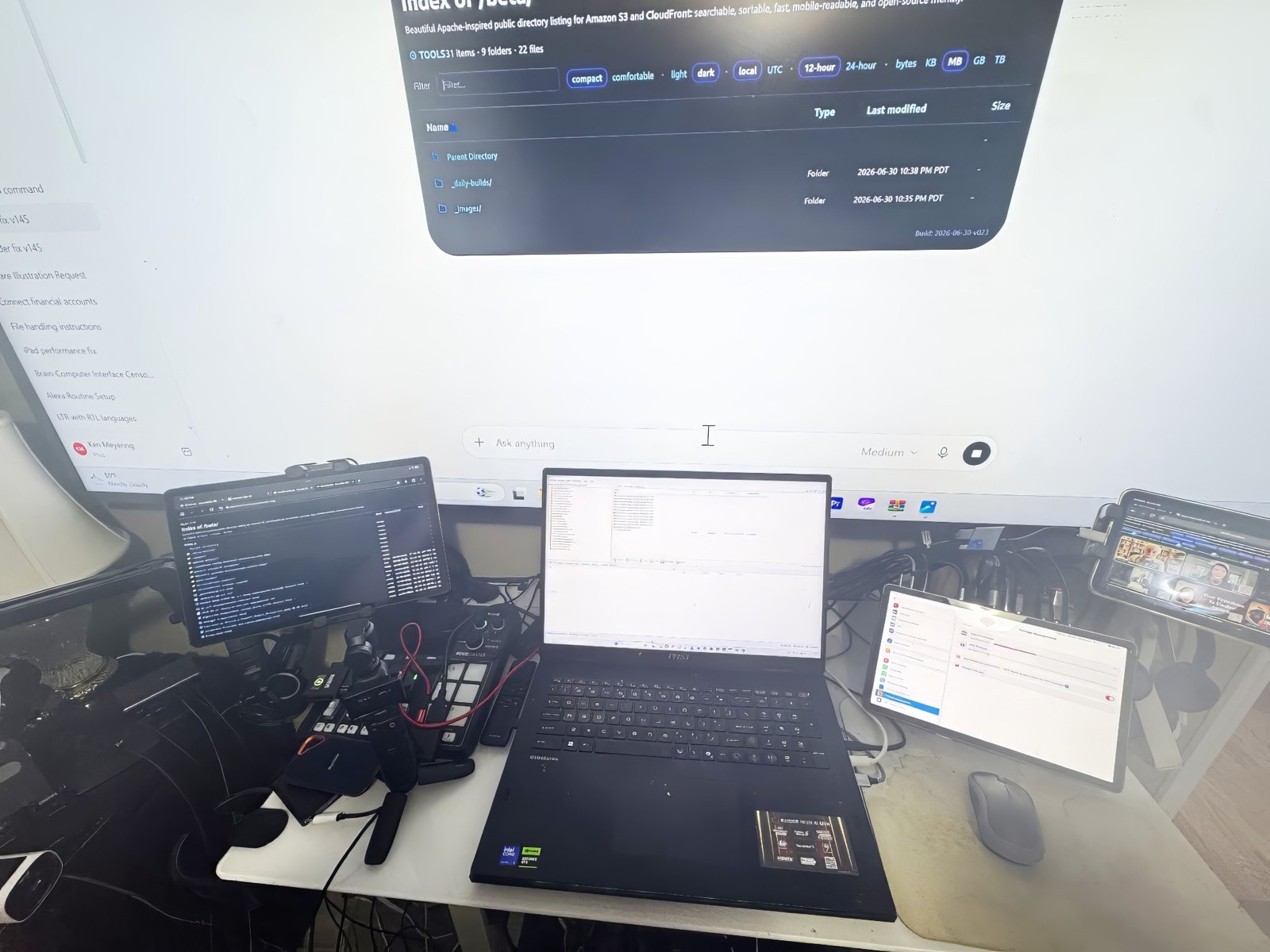
After my father died, the house he had lived in was repaired, sold and the reverse mortgage was paid off. My brother, who is much better with practical finances and home renovation than I am, handled critical repairs and the sale. I received a modest share. Most went to necessary dental implants and crowns. What remained became my life savings for a short time. I eventually used that remaining money, plus carefully managed credit, to build the workstation and studio I am using now.
That choice may look strange from the outside. But this equipment is not luxury consumption. It is disability accommodation, communication infrastructure, software-development capacity, public-interest publishing equipment and a practical attempt to turn one temporary family asset into durable creative usefulness.
2. A family system failure across generations
My mother’s temporal lobe encephalomalacia was unknown in the 1960s and 1970s, when she was married to my father. Nobody understood that she had a serious brain-based memory and emotional-processing disorder. People simply experienced her as unusual, emotional, vulnerable, confusing or difficult to understand.
My parents came from conservative Catholic Republican families shaped by sexism, religious obedience, anti-divorce culture, rigid gender roles and Depression-era fear of financial instability. Both inherited systems of duty before they inherited language for trauma, disability or emotional truth.
My father’s childhood was deeply traumatic. His biological father died when he was six. His mother later married a violent alcoholic man who became his stepfather and abused him psychologically and physically. My father grew up fearing disorder, weakness, drugs, alcohol, instability and loss of control. He became hardworking, responsible, strict and conservative, believing stability and moral order were the answer to chaos.
When my father met my mother, she was nineteen, beautiful, vulnerable and living with an undiagnosed neurological disability. In that era, vulnerability could be mistaken for innocence, femininity, compliance or “being a good wife.” Their values were almost completely opposite, but the world around them gave neither of them the language or freedom to understand what was happening.
Their marriage was not simply a private failure. It was a tragic system failure across generations: brain injury, childhood trauma, sexism, religion, family pressure, poverty fear, anti-divorce culture and a society that did not know how to recognize neurological disability or emotional coercion.
3. Fragility can hide behind assets
A person can have a computer, camera, family-house connection, old car, public project and internet domain while still being one theft, medical bill, benefits change or housing crisis away from serious instability.
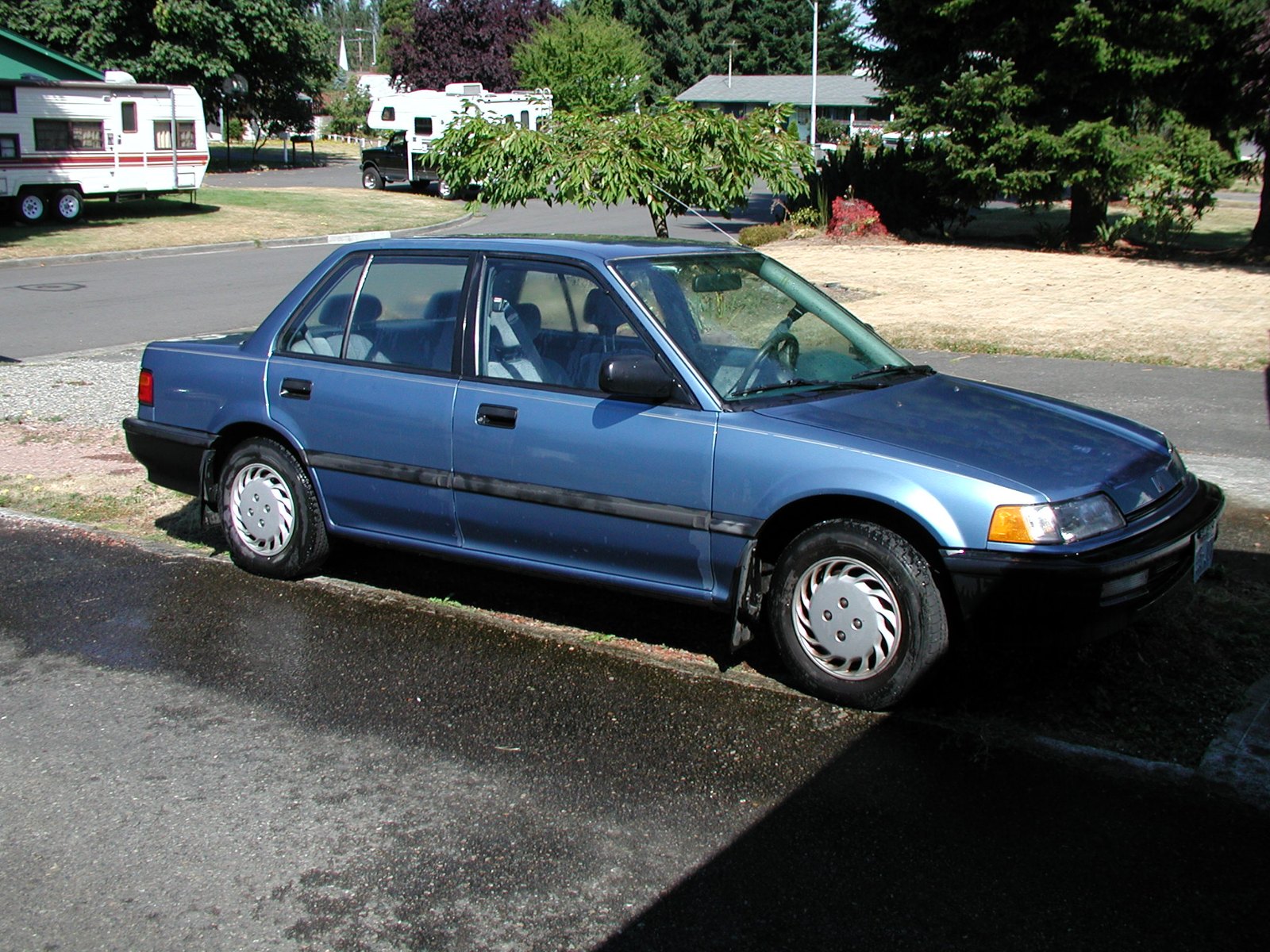
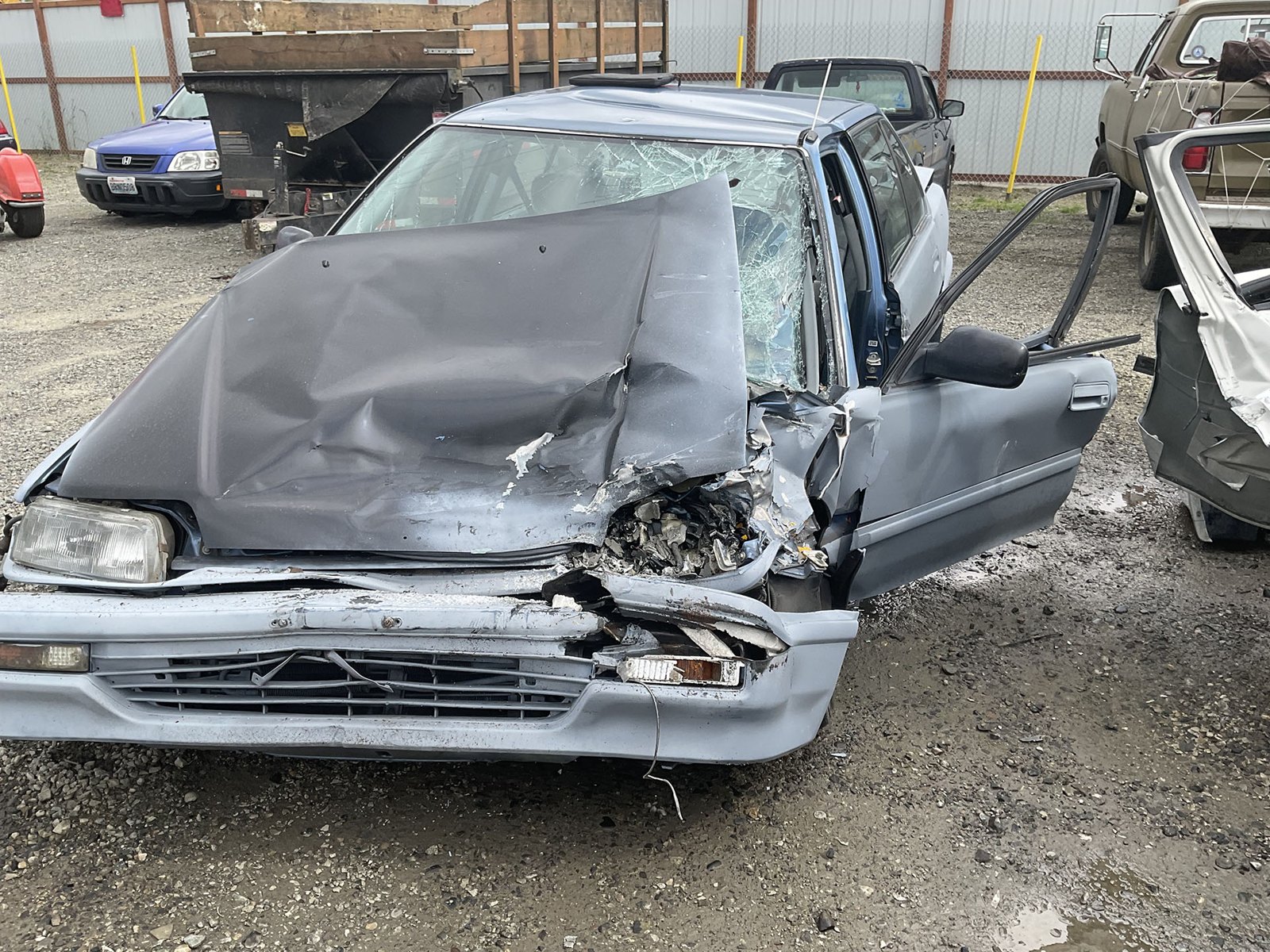
My own 1991 Honda Civic, which I had owned since 1993, was stolen from my driveway and later destroyed in a head-on collision. It had only about 100,000 miles. I loved that car like a cowboy loves his horse. It was not status. It was independence, memory, routine and dignity.
I am not fully without transportation. My mother has a 1996 Ford Contour, and I am now on the title with her. It is an old family car used mostly for groceries and medical appointments. The repair shop has warned that parts are hard to find and recommended replacing it. But replacing a car is not simple when you are disabled, cash-poor and protecting basic stability. I also have agoraphobia and social anxiety, so I rarely leave home. For my real life, the car is a limited-use survival tool.
4. Harm reduction, not indulgence
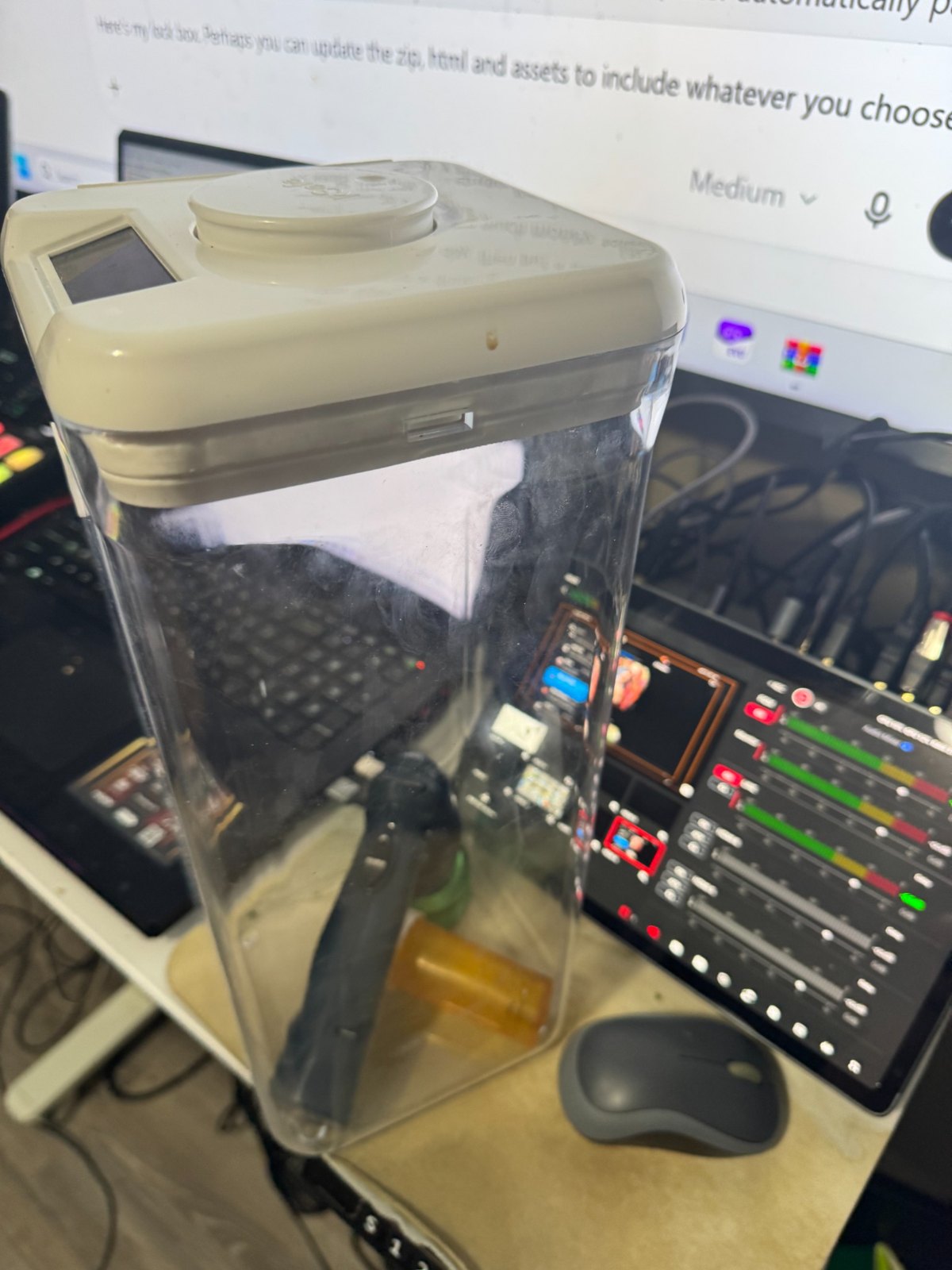
For me, cannabis has been one of the few reliable ways to relieve PTSD stress. But I learned that constant use can become expensive, tolerance-building and motivation-dulling. With AI-assisted planning, I changed that pattern. I now keep it in a timed lock box, use it only during a limited window, then lock it away for about 72 hours. That reduces spending, tolerance and lethargy while preserving relief. It is harm reduction, not indulgence.
5. Why systems matter
Debt, rent, medical billing, disability bureaucracy, credit scores, religious authority, nationalism, propaganda and algorithmic gatekeeping can all become invisible forms of domination. They can turn people into anxious, compliant, exhausted humans trying not to lose shelter, medicine, food, family, reputation or dignity.
A humane society should not first create stress, poverty, debt, medical terror, housing insecurity, coercive employment, social isolation, propaganda and nervous-system collapse, then patch the damage afterward with complicated bureaucracies.
The deeper question is: what would civilization look like if human health, learning, dignity, creativity, ecological stability, conscience and freedom from domination were treated as first principles?
6. The AI choice: domination or dignity
The coming AI age forces this question into the open. AI can strengthen debt-based control, surveillance, propaganda, automated exclusion, emotional manipulation and algorithmic punishment. It can also explain laws, simplify benefits, translate across languages, audit ledgers, detect corruption, support caregivers, document hardship, teach science, organize public knowledge and reduce the cost of compassion.
The question is not whether AI will be powerful. It will be. The question is whether it will serve domination or dignity.
That is why scientists, academics, religious scholars, diplomats, journalists, technologists, economists, disability advocates, credit unions and ordinary citizens should discuss these questions before crisis makes calm discussion harder.
7. The target is domination, not identity
My proposal is not violence, communism, revenge, antisemitism, anti-religion, anti-Americanism or hostility toward any people as people. The target is domination, not identity.
Jewish people are not Netanyahu, AIPAC, Wall Street or any government. Palestinians are not Hamas. Muslims are not the Iranian regime. Christians are not Christian nationalism. Israelis are not Netanyahu. Americans are not the U.S. empire. Russians are not Putin. Ordinary people are not the governments, clerics, militaries, billionaires, parties or lobbying systems that claim to represent them.
A healthy society must distinguish between a people, a religion, a government, a lobbying group, a billionaire class, a military apparatus, a court majority, a party machine, a media narrative and a policy position. That distinction is essential for peace.
The propaganda trick is to collapse careful distinctions into emotional accusations: “You hate Jews.” “You are a communist.” “You are anti-American.” “You are anti-Christian.” “You are dangerous.” “You want to take homes.” This is panic engineering. It bypasses thought and goes straight to fear.
8. Human security as secular peace language
A secular solution to religious conflict must protect every people, culture, conscience and child while retiring coercive systems that turn identity into fear, borders, debt, propaganda, punishment and permanent emergency.
That does not mean erasing religion. It means refusing to let any religion, nation-state, clerical authority, military, billionaire class or historical trauma permanently control ordinary people’s survival.
The old world asks which flag should dominate the land. The better question is how every person on the land can live safely, eat, receive care, study, speak freely, move freely and raise children without being ruled by revenge, debt, occupation, fear or religious supremacy.
9. Jubilee without coercion
A debt-based economy treats money as scarcity, debt as discipline, housing as speculation, health care as a billing opportunity and poverty as moral failure. A humane economy would treat money as accounting, shelter as a human need, health care as civilization and survival as non-negotiable.
When I talk about Jubilee, I do not mean a dictator seizing ordinary people’s homes. I mean reducing domination through debt relief, medical debt abolition, housing security, tenant protection, anti-monopoly policy, community land trusts, cooperative ownership, universal health care, fee-free banking, basic income or basic services and reduced coercion.
The moral question is simple: how do we prevent yesterday’s advantage from becoming tomorrow’s legal domination?
That is not authoritarian communism. That is moral sanity.
10. HDCOLORS as a public case study
HDCOLORS began as colorful kaleidoscope art. But kaleidoscopes are also peaceful teaching tools. They open conversations about symmetry, geometry, perception, attention, media literacy, color theory and ethical visual persuasion.
In an AI-shaped world, context matters. Algorithms may see risky words, symbols, links, filenames, QR codes, politics, religion or unusual art and mistake education for danger. Humans must do better.
My work is not meant to promote hate, violence, coercion, harassment, scams, exploitation or unsafe behavior. It is artistic, educational, scientific, civic, open-source and nonviolent.
11. Principles
- Home should not be a weapon.
- Debt should not be a life sentence.
- Religion should not be a cage.
- Disability should not mean bureaucratic humiliation.
- Technology should not become automated domination.
- AI should serve human dignity, not replace it.
- People are not their governments.
- Faith is not fanaticism.
- Criticism is not hatred.
- Education is not endorsement.
- Disability is not laziness.
- Debt is not destiny.
- Housing is not merely an asset.
- Money is not God.
No algorithm should be trusted with human meaning unless humans remain responsible for context, appeal and correction.
This is not extremism. This is conscience.
The better future will not come from panic, revenge, censorship or domination. It will come from truth, compassion, open knowledge, careful distinctions, peaceful reform and technology designed around human flourishing.
Links for serious readers
- This ChatGPT session / package context
- HDCOLORS on YouTube
- 8K visual tools and public experiments
- 8K open-source beta area
- Free World Bank articles on X
- Electronic Frontier Foundation
- American Civil Liberties Union
- Singularity University
- Foresight Institute
- World Health Organization
- United Nations
- UN Human Rights Office
- UNESCO
- Global Credit Union core checking example